Choosing the Right Feed Scoop for Your Farm
A comprehensive guide to selecting the perfect scoop based on your livestock type, operation size, and feeding routine.
Read More →Expert guides and insights for optimal livestock feed management
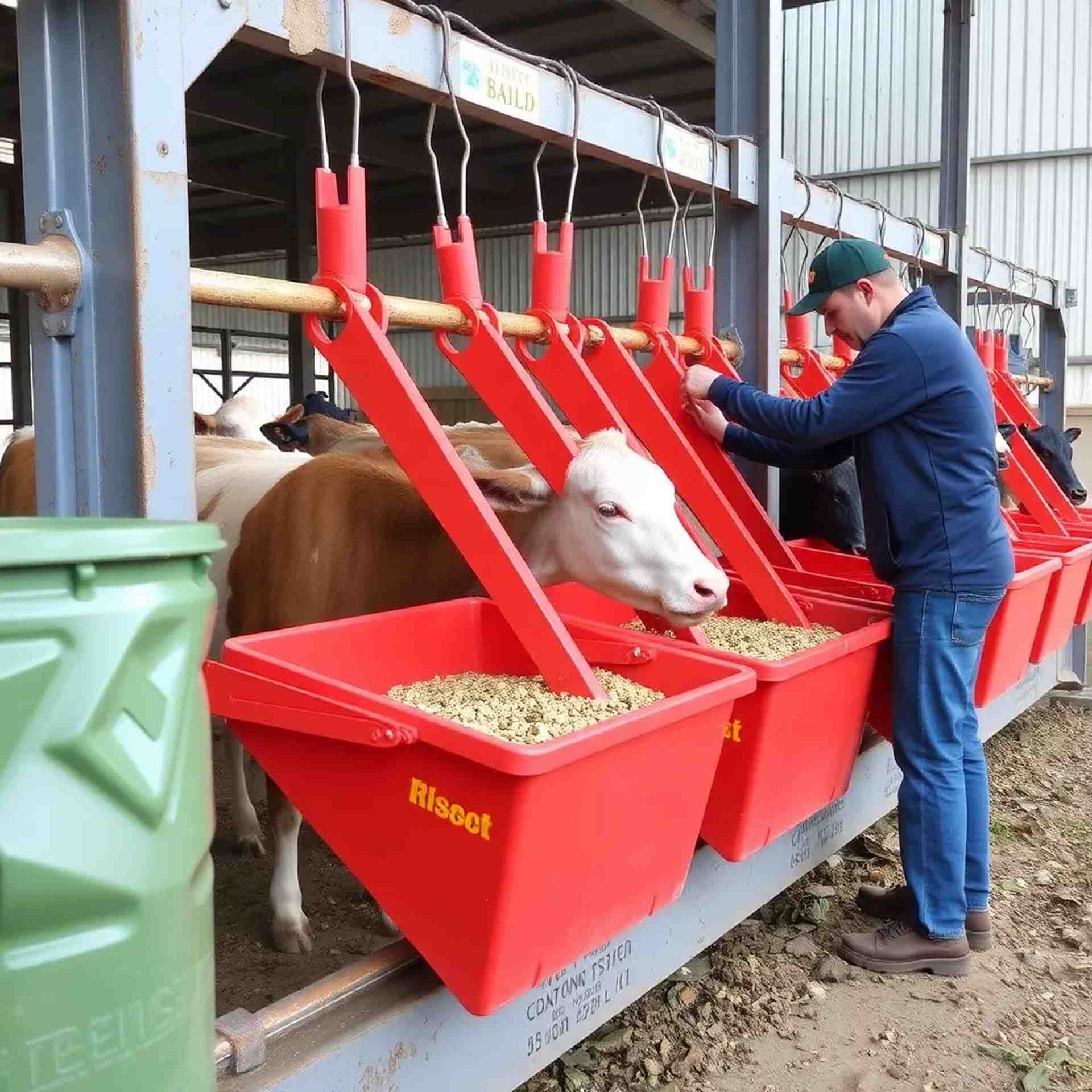
A comprehensive guide to selecting the perfect scoop based on your livestock type, operation size, and feeding routine.
Read More →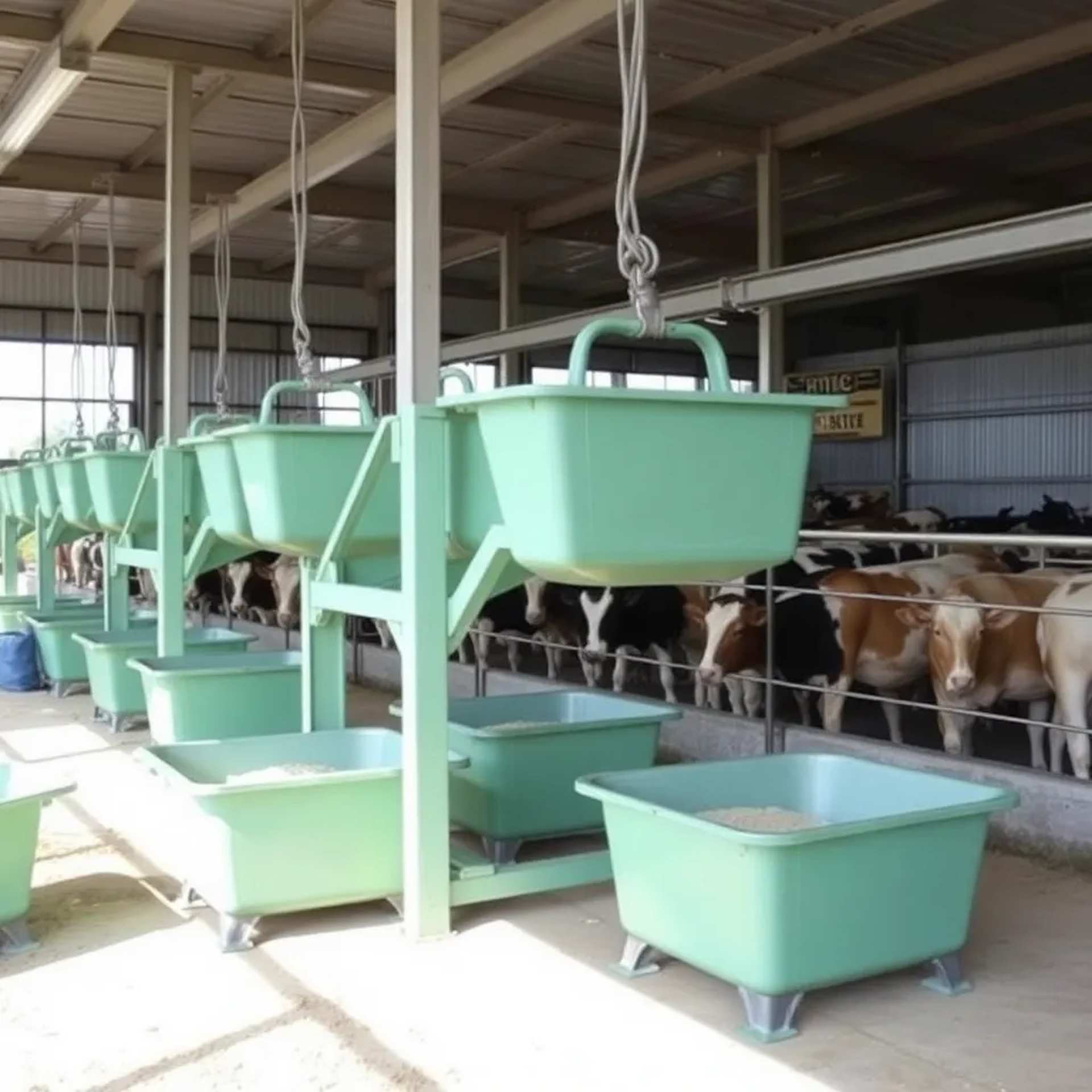
Learn how to extend the lifespan of your feed scoops with proper cleaning, storage, and maintenance techniques.
Read More →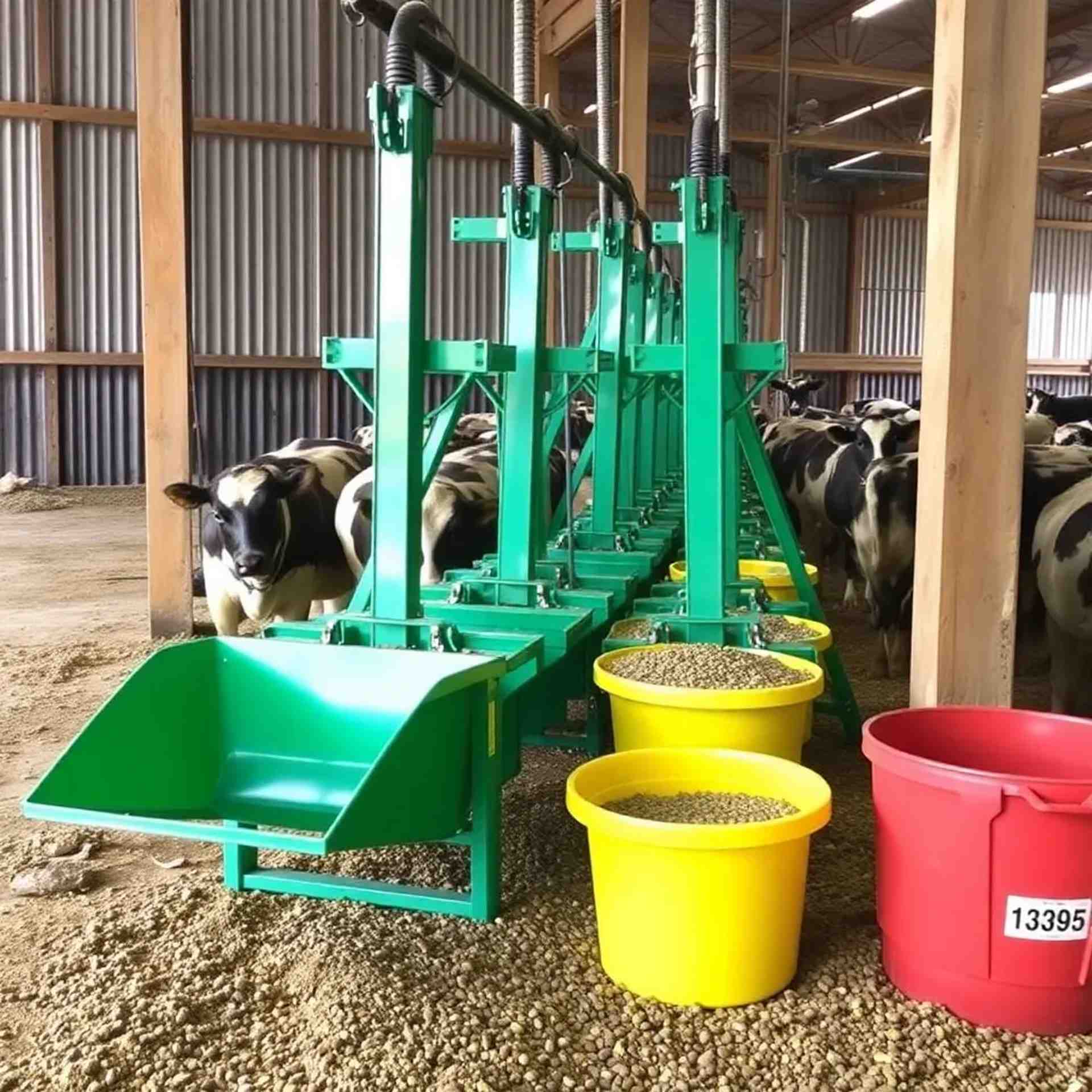
Dive deep into the materials used in modern feed scoops and why polypropylene is the gold standard.
Read More →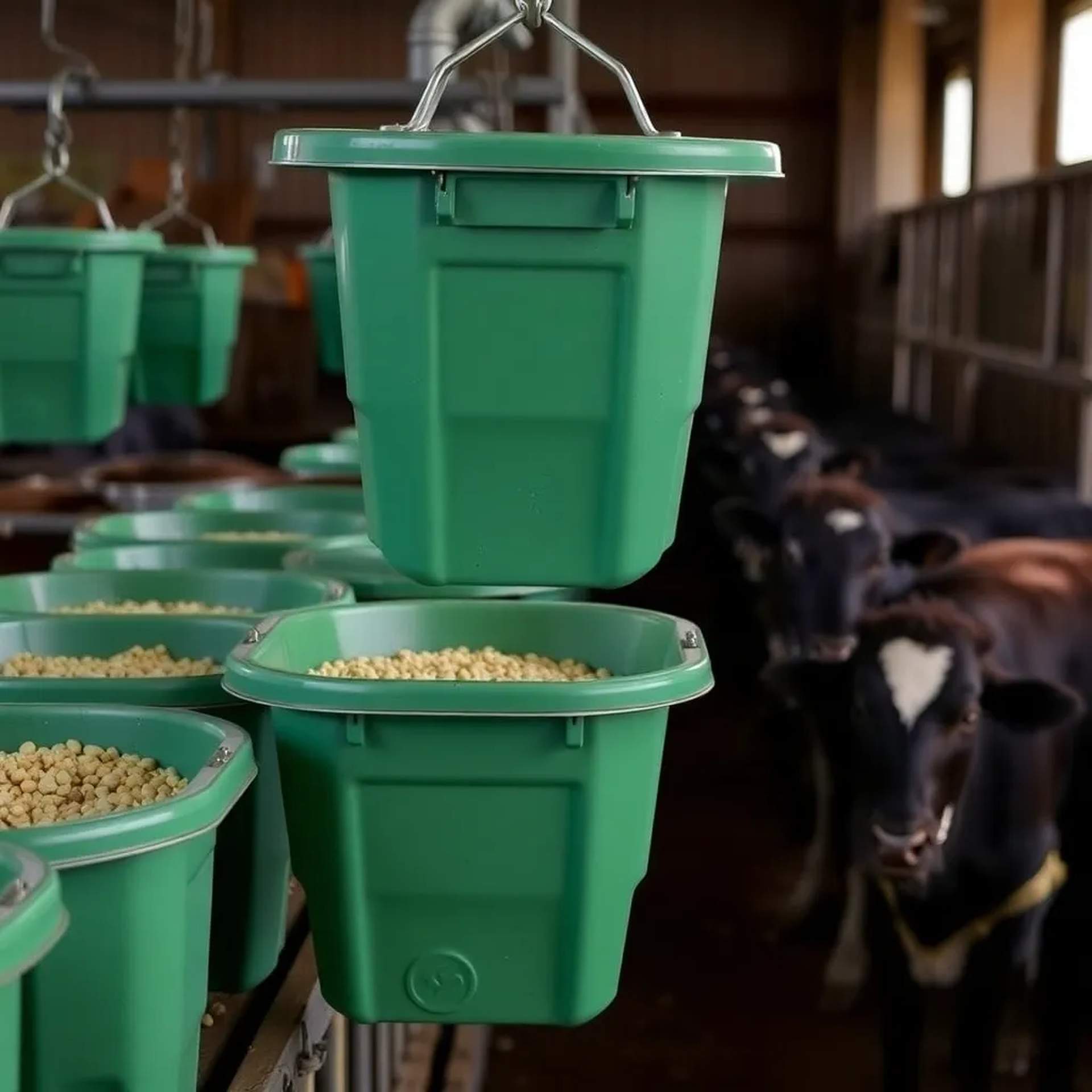
Discover proper techniques and ergonomic tools to reduce physical strain during daily feeding operations.
Read More →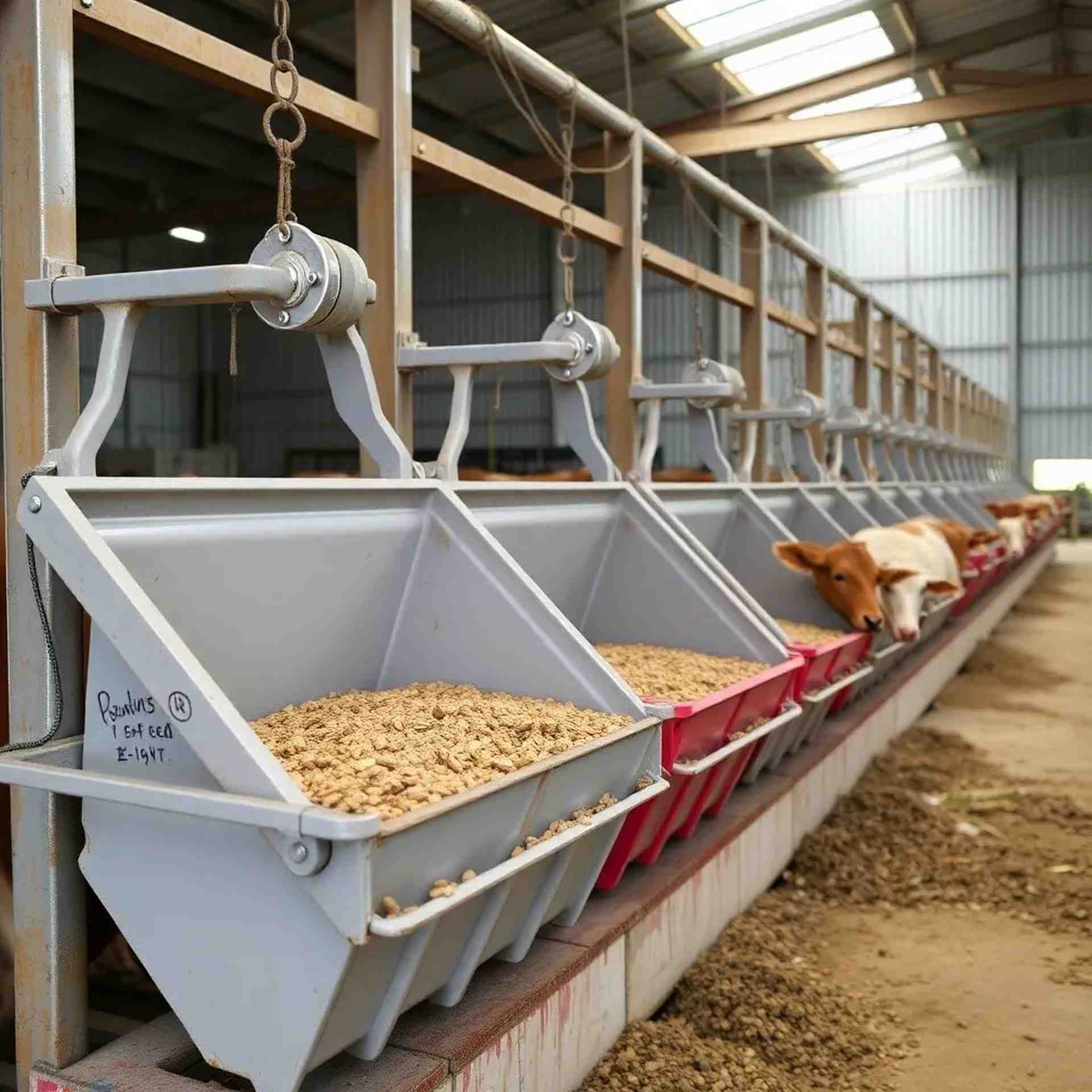
Explore emerging trends and innovations shaping the future of livestock feeding practices in Southeast Asia.
Read More →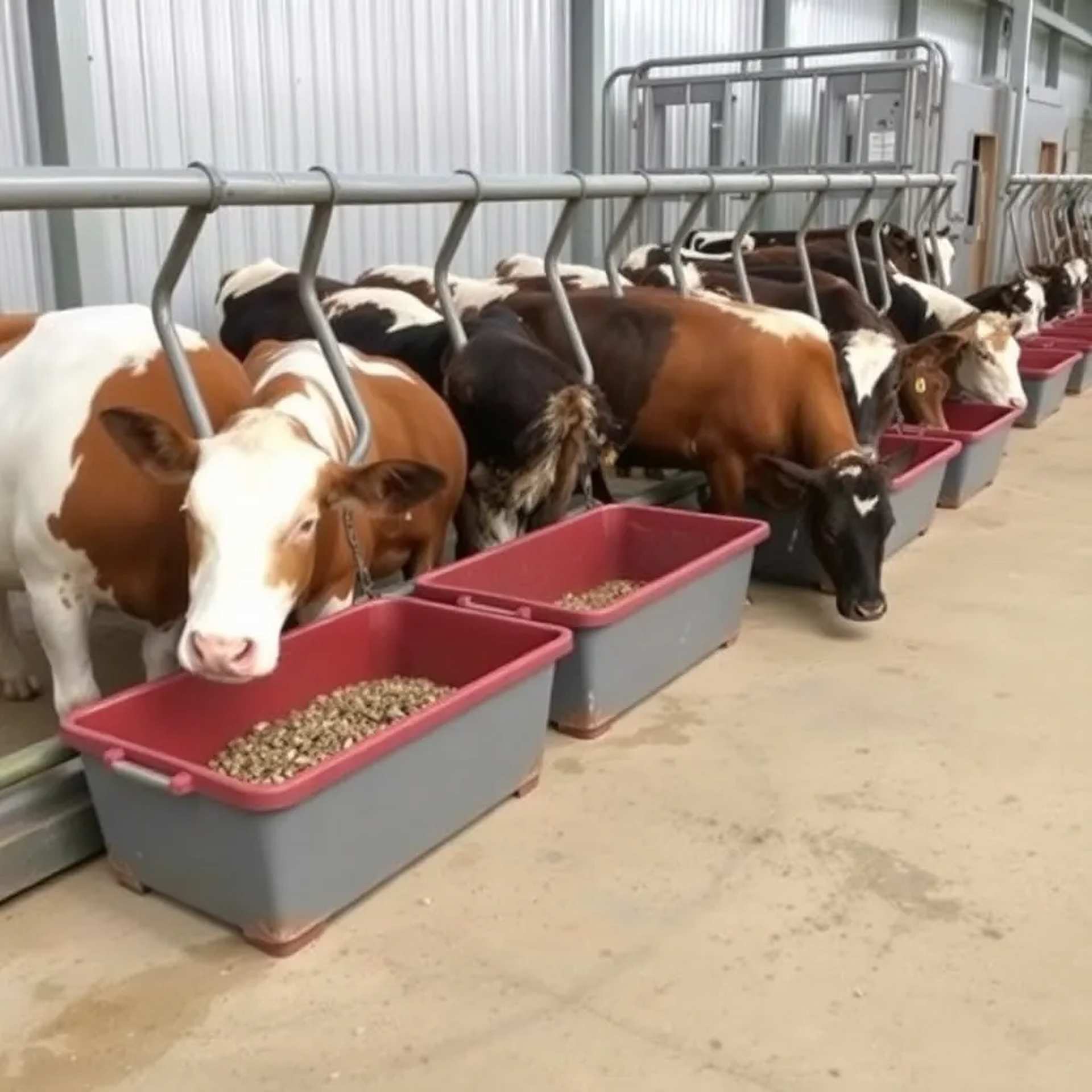
Calculate the ideal scoop capacity for your farm based on animal count, feed type, and feeding frequency.
Read More →
Selecting the appropriate feed scoop is crucial for efficient farm operations. The right tool can save time, reduce feed waste, and minimize physical strain on farm workers. This comprehensive guide will walk you through the key factors to consider.
Different animals have different feeding requirements. Poultry operations typically benefit from smaller, more precise scoops (1.5-2.5L capacity), while cattle and swine operations may require larger capacity scoops (4-6L) to handle bulk feeding efficiently.
Small family farms with 20-50 animals can manage with standard scoops, but commercial operations feeding hundreds of animals daily should invest in heavy-duty models designed for high-volume use.
High-grade polypropylene offers the best balance of durability, weight, and chemical resistance. UV-resistant coatings are essential in Malaysia's tropical climate to prevent degradation from sun exposure.
If feeding operations involve repetitive scooping for extended periods, ergonomic models with soft-grip handles and balanced weight distribution can significantly reduce worker fatigue and prevent repetitive strain injuries.
Proper maintenance of your feed scoops can extend their lifespan from 2-3 years to 5-7 years or more. Regular care also ensures hygiene standards are maintained, protecting your livestock from contamination.
After each use, rinse scoops with clean water to remove feed residue. For operations handling medicated feeds, use warm soapy water to ensure complete cleaning. Allow to air dry completely before storage.
Once weekly, perform a thorough cleaning with a mild detergent solution. Scrub all surfaces, paying special attention to corners and the handle junction where residue can accumulate. Rinse thoroughly and sanitize if required by your operation protocols.
Store scoops in a dry, covered area away from direct sunlight. Hanging storage is ideal to prevent warping. Never store scoops in contact with chemicals or fuel, as these can degrade the plastic over time.
Regularly inspect scoops for cracks, especially around stress points like the handle attachment. Replace any scoop showing signs of structural damage to prevent contamination from plastic fragments entering feed.
The material composition of feed scoops directly impacts their performance, durability, and safety. At ScoopTech, we exclusively use high-grade polypropylene (PP) for specific scientific reasons.
Polypropylene offers exceptional chemical resistance, making it ideal for contact with various feed types including those containing oils, acids, and supplements. It's also FDA-approved for food contact, ensuring safety for livestock feed handling.
PP has an excellent strength-to-weight ratio. Our scoops are 30-40% lighter than equivalent metal scoops while maintaining superior impact resistance. This reduces worker fatigue during repetitive use.
Polypropylene remains stable across a wide temperature range (-20°C to +100°C), making it suitable for Malaysia's climate and various storage conditions without becoming brittle or deforming.
Our manufacturing process includes UV stabilizers that protect against tropical sun exposure, preventing the degradation and brittleness that affects lower-quality plastics.
Repetitive strain injuries are common in agricultural work. Understanding proper ergonomics can protect farm workers and improve efficiency.
Bend at the knees, not the waist. Keep the scoop close to your body and use your legs to lift, not your back. Avoid twisting motions while holding a loaded scoop.
Choose scoops with handles that fit comfortably in your hand. Soft-grip handles reduce pressure points and improve control. Balance is crucial – a well-balanced scoop reduces wrist strain.
The livestock industry is evolving rapidly with new technologies and practices emerging to improve efficiency and animal welfare.
Graduated measurement markings on scoops are becoming standard, allowing farmers to provide precise portions and reduce waste. This trend aligns with increasing feed costs and sustainability goals.
Post-pandemic awareness has heightened focus on farm hygiene. Antimicrobial coatings and easy-clean designs are increasingly popular features in feeding equipment.
Selecting the right capacity scoop optimizes feeding efficiency and reduces the number of trips needed during feeding time.
1.5-2.5L capacity scoops are ideal. They provide good control and precision without being too heavy when full.
3-4L capacity scoops strike the best balance between capacity and manageability for operations of this size.
4-6L heavy-duty scoops minimize the number of refills needed. Consider having multiple scoops to speed up feeding during peak times.